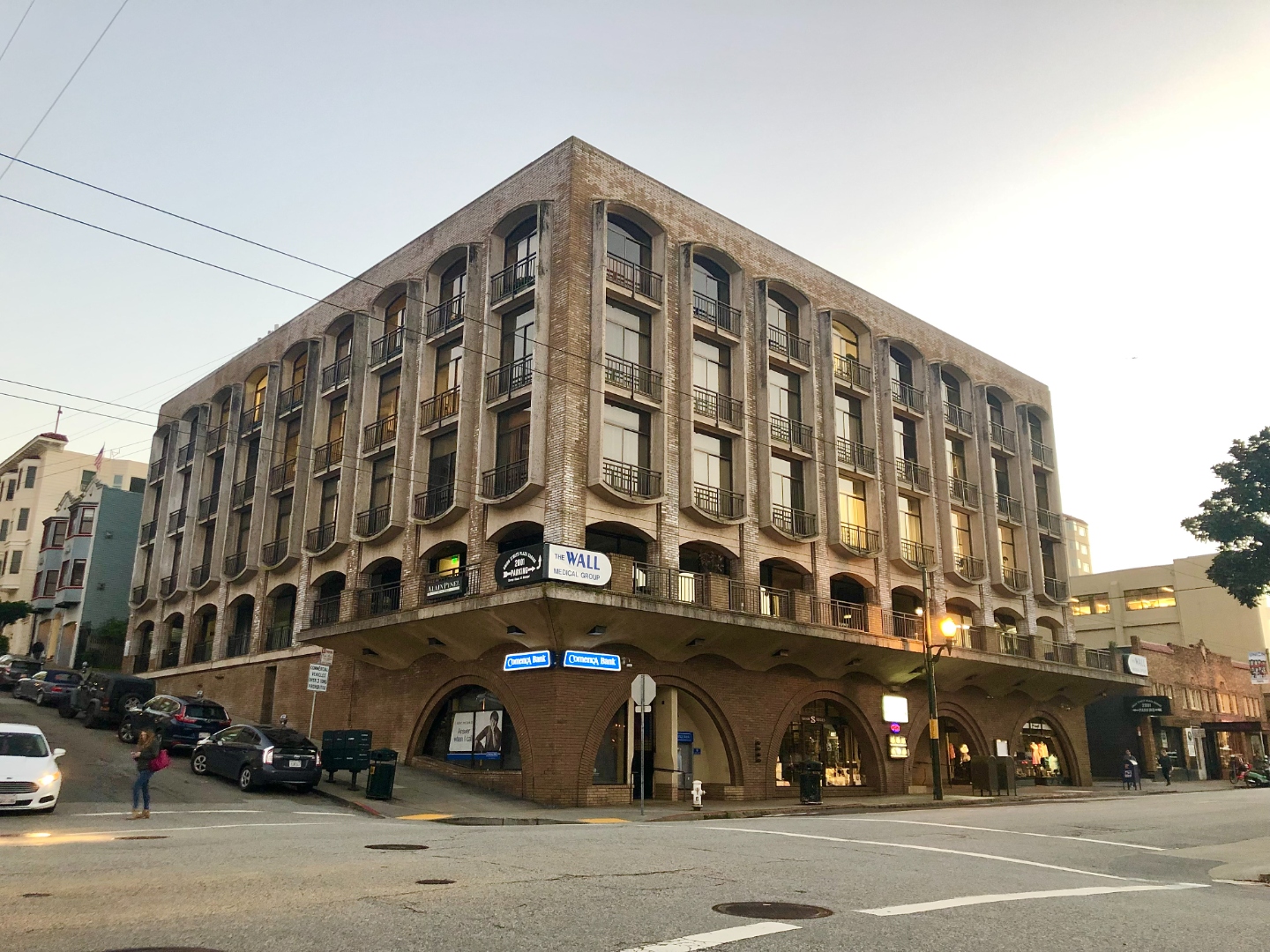
San Francisco, CA
84,236 sq ft
Open Doors Management
2016 – 2026
The Challenge
In 2016, traditional utility metering at 2001 Union Street presented multiple inefficiencies typical of conventional building energy management:
- Individual PG&E Smart Meters for each tenant created fragmented energy data with no unified view
- No ability to share locally-generated solar power between tenants
- Expensive peak demand charges from the utility with no intelligent load management
- No unified visibility or control over building-wide energy flows
- Inability to optimize battery storage for demand charge reduction
The Solution: A Forerunner to Energy Routers
Lane Sharman and Open Doors implemented a solution that paralleled the core principles of what would later emerge as EnergyNet's "Energy Router" concept — invented independently by Jonas Birgersson in Lund, Sweden.
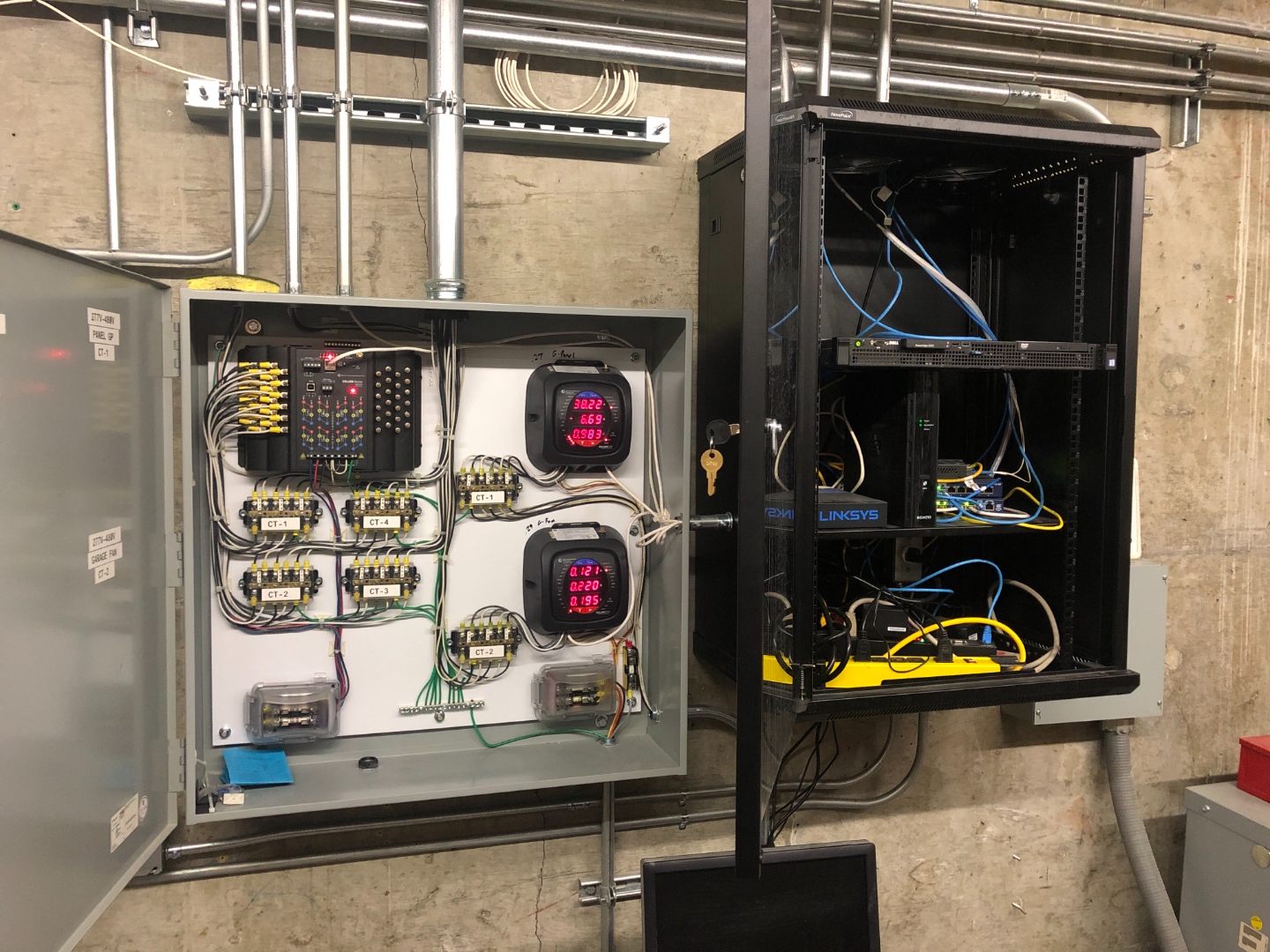
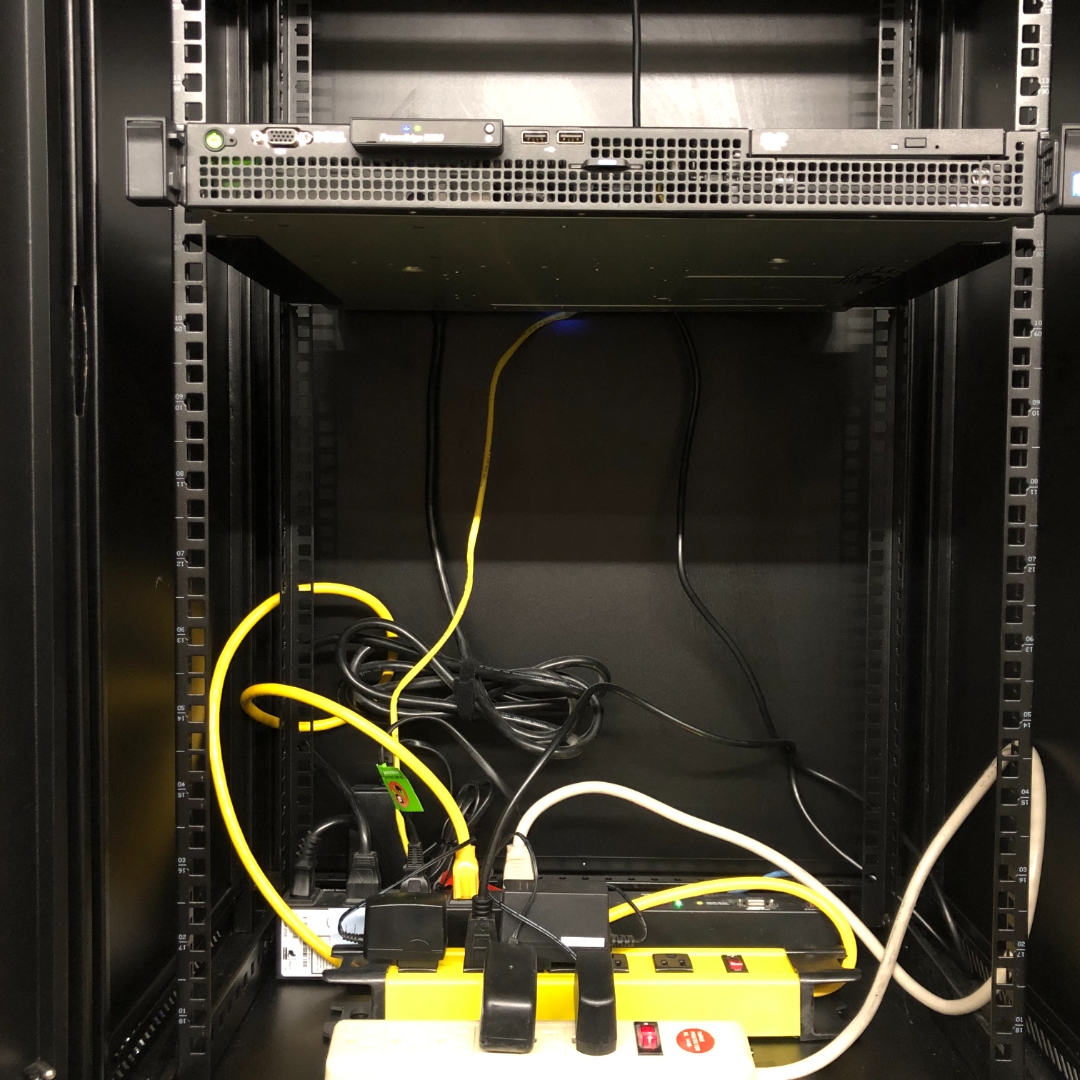
All individual Pacific Gas & Electric Smart Meters were stripped from the building, leaving only a single utility meter at the point of common coupling. In their place, a sophisticated submeter network was deployed — connected to a centralized smart building data management system.
System Architecture
The 2001 Union Street installation featured three integrated components that mirror Energy Router functionality:
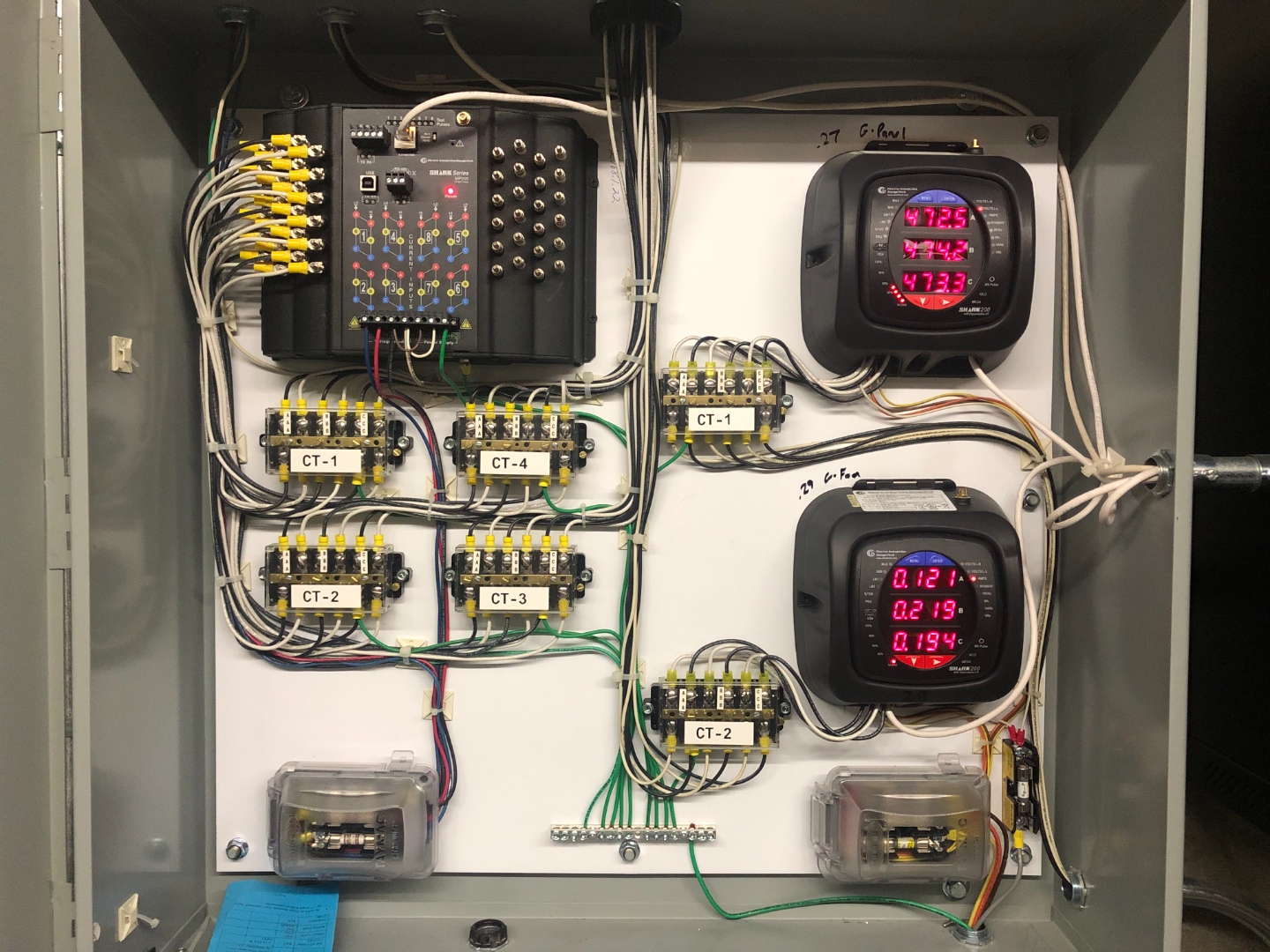
1. Electro Industries Power Electronics & SCADA
- Hardware: Electro Industries Shark Series power meters and current transformers (CTs)
- Monitoring: Real-time power quality monitoring with up to 512 samples per cycle waveform recording
- Communications: SCADA-ready revenue-grade metering with RS-485 and Ethernet connectivity
- Data Logging: Continuous energy consumption tracking per tenant circuit
- Tenant Billing: Automated electricity billing based on actual submeter readings
2. Rooftop Solar Photovoltaic System
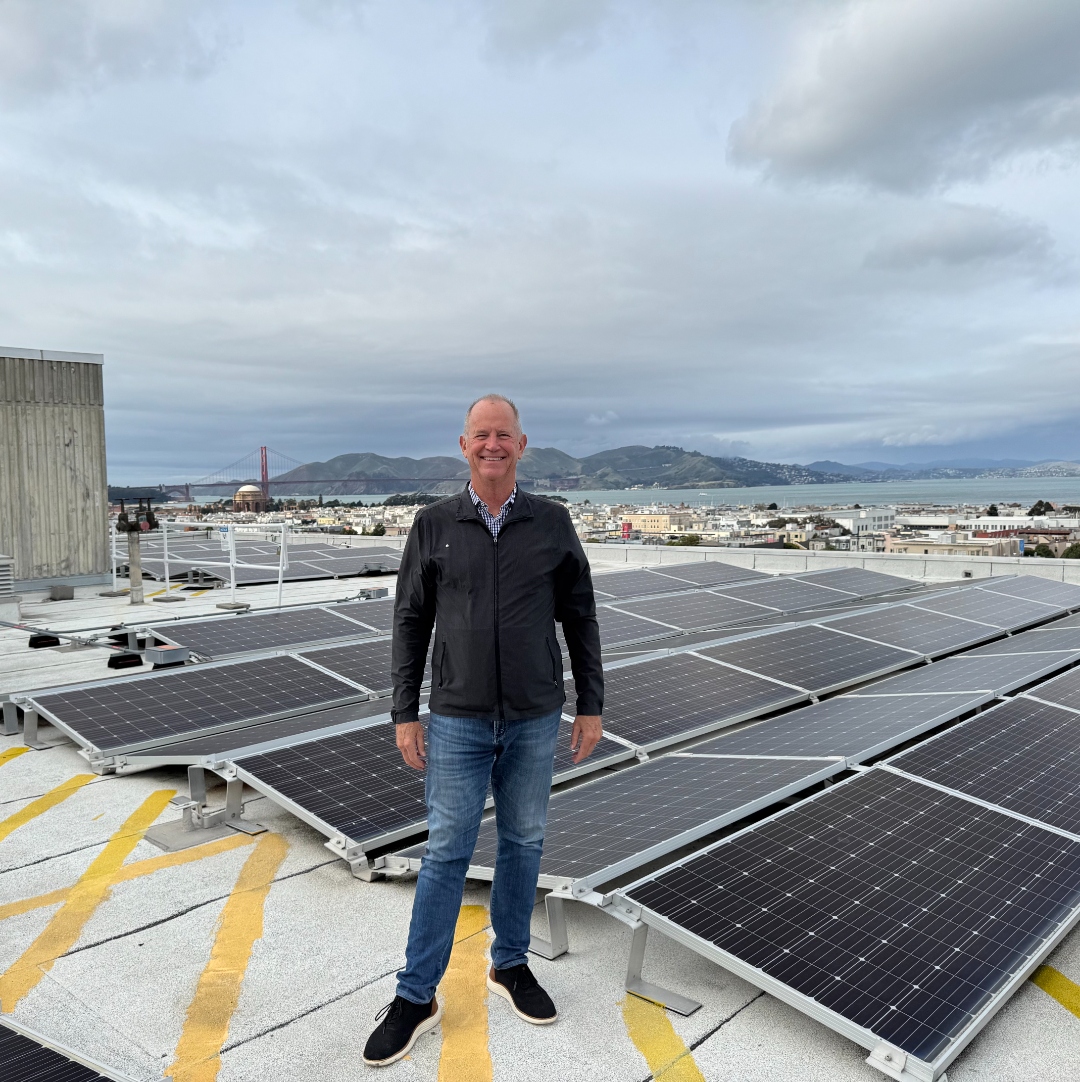
- Multi-array solar installation on the sixth-floor rooftop
- Fully integrated with the building energy management system
- Solar generation distributed throughout all building loads via the submeter network
- View of Golden Gate Bridge confirms the Pacific-facing optimal solar exposure
3. Stem Battery Energy Storage System
- Installation Year: 2016
- AI Platform: Stem Athena™ machine learning software
- Primary Function: PG&E peak demand charge reduction
- Intelligence: Predictive algorithms forecast demand and grid conditions to optimize battery dispatch
- Longevity: System remains operational and continues to lead in ML-driven energy optimization as of 2026
How This Parallels NetEdison Energy Routers
The 2001 Union Street installation demonstrates nearly all the functional capabilities of a NetEdison Energy Router, with one defining difference — the Freedom Cable:
| Energy Router Function | 2001 Union Street | NetEdison Enhancement |
|---|---|---|
| Galvanic Separation | Single point of coupling to utility grid via one meter | Power electronics enforce true galvanic isolation |
| Local Energy Sharing | Solar and battery power distributed to all building tenants via submeters | Neighbor-to-neighbor sharing via Freedom Cable |
| Smart Metering & Billing | Electro Industries Shark meters with automated tenant billing | Energy Protocol (EP) with blockchain-ready settlements |
| Demand Management | Stem AI predicts and shaves peak demand | Energy Router optimizes flows across the ELAN microgrid |
| Energy Storage Integration | Stem battery system with ML optimization | Distributed storage across multiple nodes |
| SCADA & Monitoring | Full building energy visibility and control | Open-standard EP communications |
| Renewable Integration | Rooftop solar with building-wide distribution | Multiple DER sources across the ELAN network |
The 2001 Union Street system lacks the Freedom Cable — the direct peer-to-peer DC connection between buildings that defines EnergyNet. However, it successfully demonstrates the core principle: decoupling from traditional utility metering to enable local energy management, sharing, and optimization. Oregon's HB 2065 and HB 2066 (2025) now authorize these connections in the first US jurisdiction.
Results & Impact
Economic Benefits
- Peak Demand Reduction: Stem's machine learning algorithms achieve up to 60% reduction in peak demand charges
- Tenant Cost Savings: Shared solar generation and optimized battery dispatch lower electricity costs for all tenants
- Transparent Billing: Submetered consumption provides fair, accurate tenant billing without utility intermediation
- Asset Longevity: ML-optimized battery cycling extends lifespan and reduces maintenance costs
Technical Achievements
- 10-year operational track record (2016–2026) proves reliability of integrated smart building energy systems
- Stem Athena™ AI platform demonstrates that machine learning can successfully manage complex energy optimization at building scale
- Electro Industries Shark meters provide revenue-grade accuracy (ANSI C12.20 Class 0.2) for tenant billing
- System handles multi-source energy flows — grid, solar, battery — seamlessly and continuously
Lessons for NetEdison Deployment
- Regulatory Navigation: PG&E allowed removal of smart meters in favor of building-level metering — demonstrating a viable path to decouple from legacy utility infrastructure
- Interoperability: Integration of solar, batteries, and smart meters proves multi-vendor systems can work together under a unified protocol
- AI-Driven Optimization: Stem's continued success shows that predictive machine learning is essential — not optional — for demand management
- Building-Scale Microgrids Work: Single-building energy networks are a proven stepping stone to neighborhood ELANs
Connection to Jonas Birgersson's EnergyNet Vision
While developed independently on opposite sides of the globe, the 2001 Union Street project and Jonas Birgersson's EnergyNet share fundamental DNA:
- Decentralization: Both move away from centralized utility control toward local energy autonomy
- Intelligent Routing: Smart algorithms (Stem AI / Energy Router EROS) decide optimal energy flows
- Peer Sharing: Energy produced locally stays local — within building / within ELAN
- Digital Communications: Power electronics and data networks work together — SCADA / Energy Protocol
- Economic Efficiency: Eliminate or reduce expensive grid fees, peak charges, and transmission losses
- Resilience: Local generation and storage provide backup during grid outages
Jonas Birgersson's 1998 proof-of-concept in Lund, Sweden connected homes with Ethernet cables and routers — treating energy like data packets on the internet. By 2025, his ViaEuropa company launched full-scale EnergyNet deployments in Lund's Brunnshög neighborhood, with Sweden's housing association (Sveriges Allmännytta) representing 300+ housing companies.
Meanwhile, Lane Sharman's 2016 work at 2001 Union Street demonstrated that the same architectural principles could work in a commercial building context within the stringent regulatory environment of California's utility landscape.
Why This Matters for NetEdison
The 2001 Union Street case study provides crucial real-world validation for NetEdison's Energy Router concept:
- Proven Technology: The core components — power electronics, smart meters, battery storage, AI optimization — are mature and commercially available today
- Regulatory Precedent: PG&E allowed removal of smart meters in favor of building-level metering, showing utilities can accept alternative architectures
- Economic Viability: 10 years of operational data proves the business case for intelligent local energy management
- Scalability Path: What works for a 6-story building scales to neighborhoods (ELANs) and beyond
- AI Readiness: Stem's success shows building occupants trust ML algorithms to manage their energy
The Road Ahead: From Building to Neighborhood Networks
The next evolution — which NetEdison and EnergyNet are both pursuing — is to extend these principles beyond individual buildings:
Deploy Energy Routers that connect clusters of buildings via Freedom Cables, creating Energy Local Area Networks (ELANs) where:
- Neighbors trade energy peer-to-peer using the open Energy Protocol (EP)
- Galvanic separation prevents cascading grid failures
- Local generation and storage provide resilience and eliminate transmission losses
- Flat-rate pricing models (like Internet service) replace complex utility tariffs
- Decentralized architecture scales infinitely without single points of failure
The 2001 Union Street building is a microcosm of this future — a proof point that the era of centralized, one-way power delivery is ending. Just as the Internet revolutionized communications by enabling peer-to-peer data exchange, EnergyNet and NetEdison are ushering in the Internetification of Energy Distribution.
Conclusion
Lane Sharman and Open Doors' 2016 transformation of 2001 Union Street stands as a forerunner to the Energy Router architecture that Jonas Birgersson invented in Lund and that NetEdison is now standardizing globally. By stripping away utility smart meters and implementing an integrated system of submetering, solar generation, battery storage, and AI-driven optimization, this San Francisco building proved that local energy autonomy is not just feasible — it's superior.
The technical parallels are striking: intelligent energy routing, galvanic separation from the grid, local renewable integration, machine learning optimization, and transparent metering and billing. The only missing element is the Freedom Cable connecting multiple buildings into a true Energy Local Area Network.
As NetEdison deploys Energy Routers across neighborhoods and cities, the lessons from 2001 Union Street will prove invaluable. This building didn't just reduce energy costs — it demonstrated that the future of electricity is decentralized, intelligent, and local.